A lush, green backyard and a dog can coexist, but only if you manage waste correctly. Left unchecked, dog poop kills grass, invites pests, and leaves brown patches that no fertilizer can fix. In 2026, homeowners are learning that heavy duty bags and a smart cleanup routine are the real secret to a healthy lawn that survives even the most active pets.
This guide covers how dog waste damages your yard, how to protect your grass, and which tools make maintenance effortless so your lawn stays enviable year-round.
How Dog Waste Damages Your Lawn
Dog waste is not fertilizer. Its high nitrogen content and low pH burn grass roots, creating yellow rings and dead patches. The acidity throws off your soil balance and stunts new growth.
Beyond the chemistry, decomposing waste harbors bacteria and parasite eggs that linger in the soil. According to the U.S. Environmental Protection Agency, uncollected pet waste is a significant contributor to nutrient runoff that pollutes local water and encourages algae blooms.
Warning Signs in Your Yard
- Brown or yellow spots that spread over time.
- Persistent odor after rain.
- Increased flies and pests near favorite potty areas.
- Thinning grass in high-traffic zones.
Building a Lawn-Friendly Cleanup Routine
The single best thing you can do for your grass is remove waste promptly and consistently. Same-day cleanup prevents nitrogen burn and keeps pathogens from settling into the soil.
Rotate your dog’s potty area if possible, water heavily-used spots to dilute residue, and reseed damaged patches in spring or fall. A consistent schedule beats occasional deep cleans every time.
| Task | Frequency | Lawn Benefit |
|---|---|---|
| Scoop waste | Daily | Prevents nitrogen burn |
| Water potty zones | 2–3x weekly | Dilutes residue |
| Reseed patches | Seasonally | Restores coverage |
| Soil pH check | Twice a year | Keeps grass healthy |
Which Tools Keep Your Yard Cleanest?
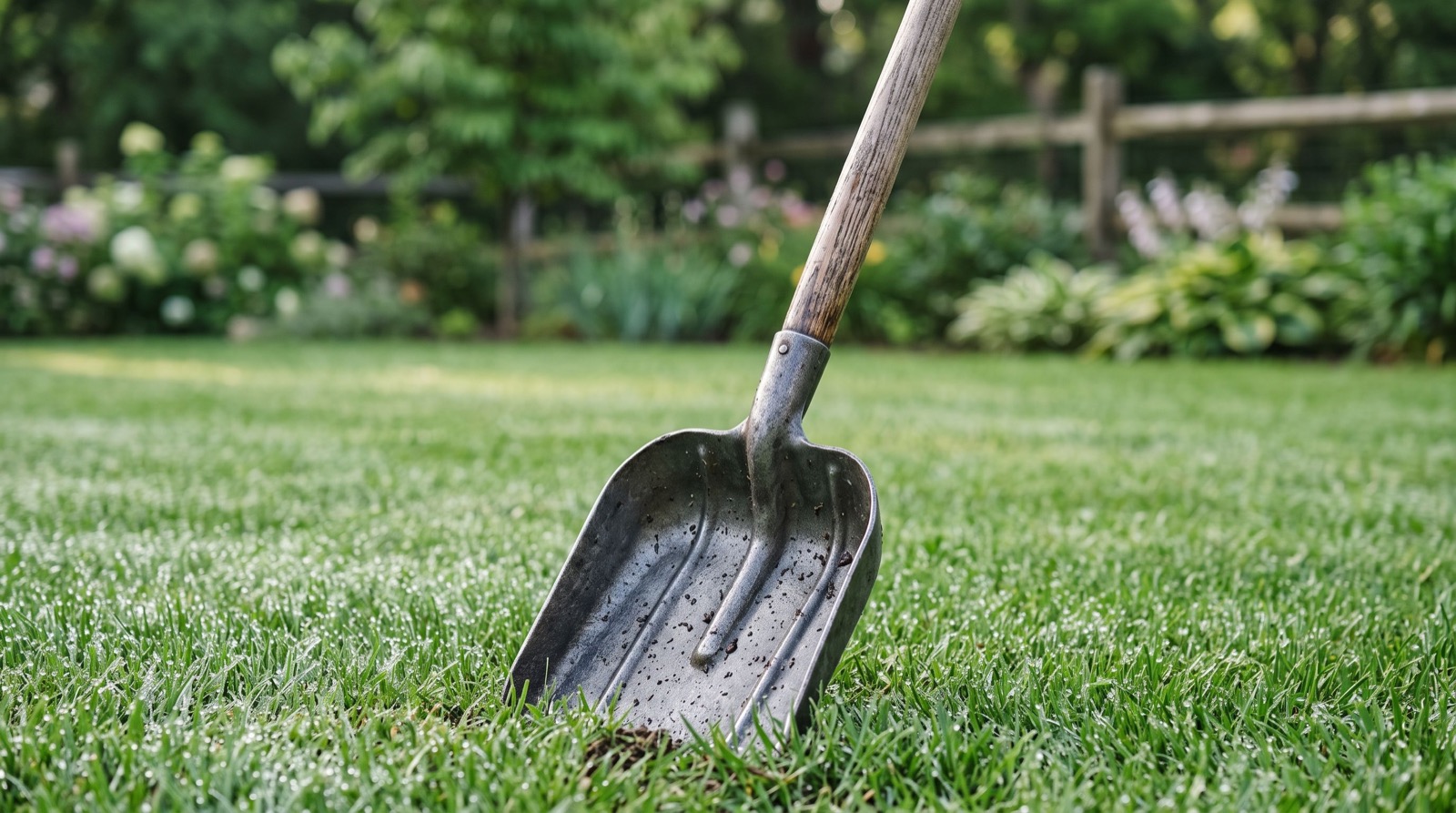
Yard cleanup is faster and more thorough with the right gear. A no-bend scooper lets you cover a large lawn without stopping to kneel, while strong bags keep the waste contained.
Durable heavy duty bags resist tearing on gravel and twigs, which is exactly what you need when scooping across an entire yard. Pair them with a Dog poop Scooper with Bag Attached so the bag stays open and secure through every scoop.
For bigger properties, consider help from an experienced local team that offers regular yard-waste service, then maintain it yourself between visits.
A Weekend Lawn-Recovery Plan
- Do a full sweep of the yard and remove all waste.
- Deep-water the affected patches to flush nitrogen.
- Loosen dead soil and apply fresh seed.
- Keep dogs off recovering zones until grass fills in.
Preventing Damage Before It Starts
Prevention beats repair. Train your dog to use a designated area, mulch or gravel a potty zone, and keep cleanup gear by the back door so it never gets skipped.
Consistency is everything. A yard cleaned daily rarely develops the deep, hard-to-fix damage that a neglected one does.
Restoring a Lawn That’s Already Damaged
If your grass already shows the scars of neglected cleanup, do not panic. Most lawns recover with a focused effort over a few weeks.
Start by removing all waste and giving the yard a deep watering to flush accumulated nitrogen from the soil. Then test your soil pH, since dog waste tends to push it out of the ideal range for grass.
Loosen compacted, dead patches, add a thin layer of quality topsoil, and overseed with a grass variety suited to your region and sun exposure. Keep the area moist and off-limits to your dog until new blades establish.
Grass Types That Handle Dogs Better
- Kentucky Bluegrass: Self-repairing and resilient in cooler zones.
- Perennial Ryegrass: Fast-germinating for quick patch repair.
- Bermuda Grass: Tough and heat-tolerant for warm climates.
- Fescue blends: Deep roots that tolerate traffic and wear.
Balancing a Beautiful Yard and an Active Dog
A pristine lawn and a happy dog are not opposites. The goal is a yard designed around real life, where cleanup is easy and damage is contained.
Consider a mulched or pea-gravel potty zone that absorbs waste and rinses clean, keeping the burn off your grass entirely. Add durable pathways in high-traffic areas so your dog’s favorite routes do not wear the lawn thin.
With smart design and a daily routine, you get the best of both worlds: a green, healthy yard and a dog who has full run of it.
Seasonal Lawn and Waste Care
Your lawn’s needs shift with the seasons, and so should your cleanup approach. Matching your routine to the weather keeps grass healthier all year.
In spring, focus on repairing winter damage and reseeding thin patches while the ground is cool and moist. Summer heat stresses grass, so keep potty zones watered and remove waste before it bakes into the soil.
Fall is the ideal time to overseed and strengthen roots before dormancy. In winter, waste can hide under snow, so stay diligent and sweep the yard fully once it melts to prevent a spring pileup of contaminants.
Quick Seasonal Reminders
- Spring: Reseed, aerate, and repair damaged patches.
- Summer: Water potty zones and scoop before waste dries.
- Fall: Overseed and feed the lawn for winter resilience.
- Winter: Keep scooping and sweep after each thaw.
A year-round mindset prevents the slow, cumulative damage that catches many dog owners off guard.
Frequently Asked Questions
Does dog poop really kill grass?
Yes. The high nitrogen and acidity in dog waste burn grass roots, leaving yellow rings and dead patches. Prompt removal and watering prevent most of this damage.
How long can dog waste sit before it harms the lawn?
Damage can begin within a day or two, especially in warm weather. Same-day cleanup is the most reliable way to protect your grass and soil.
Can I use dog waste as garden fertilizer?
No. Unlike herbivore manure, dog waste carries pathogens and is too acidic. It should be bagged and trashed, never spread on gardens or lawns.
What is the fastest way to clean up a large yard?
Use a long-handled, no-bend scooper with a bag-holding design and heavy-duty bags. This lets you cover the whole yard quickly without bending or refilling constantly.
Conclusion: A Clean Yard Is a Healthy Yard
Your lawn and your dog can thrive together when waste never gets the chance to do damage. Daily cleanup, smart watering, and reliable tools like heavy duty bags keep your grass green and your soil safe. Start a consistent routine this week, invest in gear that makes the job easy, and enjoy a backyard that stays beautiful all season.