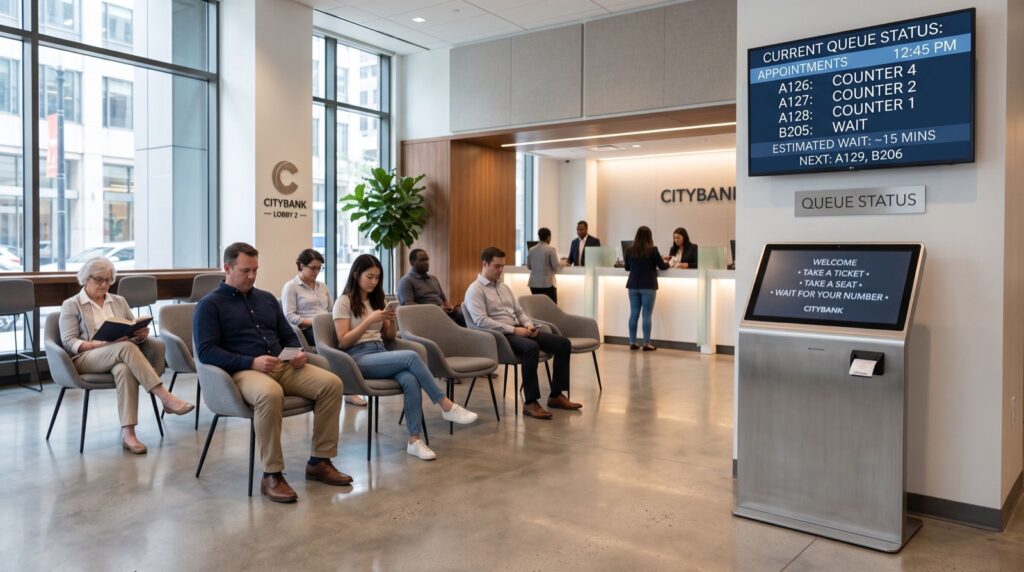
Walk into any busy customer-service floor and you can hear the difference between a well-equipped team and an improvised one within thirty seconds. On the good floor, agents speak in calm, even voices, log in without fuss, and move from one caller to the next like clockwork. On the struggling floor, people shout over crosstalk, wrestle with tangled equipment, and lose precious minutes just proving they are who they say they are. The gap almost never comes down to talent. It comes down to the tools sitting on each desk.
Building a service operation that scales means treating hardware as part of the employee experience, not a line item to squeeze. The two pieces most often ignored are the way agents authenticate themselves and the way they actually hear and are heard. Get those right and everything downstream, from call quality to shift handovers, becomes smoother. This piece looks at how thoughtful equipment choices quietly raise both morale and performance.
Authentication Is the First Impression Nobody Sees
Customers never watch an agent log in, yet that moment sets the pace for the entire shift. When identity checks rely on passwords, agents forget them, reset them, and jot them on notes stuck to the monitor. Multiply that friction across a rotating roster and you have created a daily tax on productivity that no one budgeted for.
Fingerprint login erases the ritual. An agent touches a reader, the workstation unlocks, and the correct profile loads in a heartbeat. Shared desks in a hot-desking layout become effortless, because the machine always knows exactly who is sitting there. Security tightens at the same time, since a fingerprint cannot be borrowed, guessed, or phished out of someone during a fake support call.
Picking a Scanner Built for Constant Use
A service desk hammers its hardware. Agents log in and out dozens of times a day as they switch tasks, take breaks, and swap seats, so a flimsy consumer gadget simply will not survive the workload. Durability, driver support, and enrollment speed all deserve scrutiny before any purchase order goes out.
A proven workhorse such as the Secugen Hampster Pro 20 earns its place precisely because it tolerates heavy repetition without degrading. When a reader captures a clean image on the first press almost every time, agents stop resenting it, and the tiny delays that used to nibble away at each shift simply vanish. That reliability is the whole point; a scanner that hesitates trains people to distrust it.
Why the Headset Decides Call Quality
You can hire the most patient, well-trained agent in the city and still lose customers if the audio is muddy. Background chatter bleeding into the microphone, a tinny earpiece, or a cushion that aches after an hour all sabotage the conversation. Callers interpret poor sound as poor service, even when the person on the line is doing everything right.
Investing in professional audio changes that dynamic instantly. A headset like the Addasound Crystal 2731 pairs noise-cancelling pickup with speech-tuned clarity, so the customer hears a clean voice and the agent hears a clear reply. Fewer repeated sentences, fewer misunderstandings, and shorter calls follow naturally. The comfort matters just as much, because an agent who is not fighting a sore ear stays warmer and sharper deep into the afternoon.
Comfort Is a Retention Strategy in Disguise
Turnover on service teams is expensive and demoralizing, and much of it grows from small physical irritations that management never notices. A headband that pinches, a login process that stalls, a cable that snags every time someone stands up. None of these appears on an exit interview, yet together they wear people down until leaving feels easier than complaining.
Ergonomic equipment sends a quiet message that the company respects the people using it. Lightweight builds, breathable cushions, and instant authentication remove dozens of tiny frustrations from the day. Agents who feel physically comfortable are more likely to stay, and every month they stay is a month you avoid the cost of recruiting and retraining a replacement.
Standardizing Hardware Across the Floor
Mixing random devices across a team creates hidden chaos. IT ends up supporting a dozen different drivers, spare parts never fit the machine that broke, and troubleshooting turns into detective work. Standardizing on a small, vetted set of models collapses that complexity into something a single technician can manage.
Consistency also speeds onboarding. A new hire trained on the standard scanner and headset is productive on day one at any desk, rather than learning quirks unique to one seat. When every station behaves identically, the whole floor becomes flexible, and moving people to where demand is heaviest stops being a technical ordeal.
Getting the Setup Right the First Time
Even excellent hardware underperforms when it is installed carelessly. Microphone booms end up at the wrong angle, scanners are mounted where sunlight washes out the sensor, and enrollment is rushed so prints read poorly for months. These are avoidable mistakes, but only if someone with experience oversees the deployment.
Bringing in reliable local experts to configure the equipment pays for itself, because they already know the pitfalls that trip up first-timers. They tune the audio profiles, verify the enrollment quality, and leave behind a floor that simply works. That head start lets your team focus on customers instead of fiddling with settings during their busiest hours.
Key Takeaways
- Fingerprint login removes password friction and secures shared desks in seconds.
- Choose a scanner rated for heavy, repeated use so first-press reliability stays high.
- Clear, noise-cancelling audio directly shortens calls and reduces misunderstandings.
- Comfortable equipment quietly lowers turnover by erasing daily physical irritations.
- Standardizing on a few vetted models simplifies support and speeds onboarding.
- Professional installation prevents the small setup errors that undermine good gear.
The Bottom Line for Service Teams
A customer-service operation is only as strong as the equipment its people touch every hour of every shift. Authentication that just works and audio that flatters even a difficult conversation are not luxuries; they are the foundation that lets talented agents actually do their jobs. The investment is modest next to the payroll it supports, and the returns show up as calmer staff, cleaner calls, and customers who hang up satisfied. Fix the desk, and the rest of the floor tends to follow.