Ambient Storage in Dammam: The Smart Choice for Business Inventory
If you manage stock in the Eastern Province, ambient storage in Dammam offers a cost-effective way to hold goods that do not need refrigeration. From packaged consumer products to electronics and industrial supplies, room-temperature warehousing keeps inventory secure, organised, and ready to ship. This 2026 guide walks through how it works, who benefits, and how to make the most of every square metre.
Dammam sits at the heart of Saudi logistics, close to King Abdulaziz Port and major highways linking the Kingdom to the wider Gulf. That location makes ambient storage in Dammam especially attractive for importers, distributors, and e-commerce sellers who need fast access to their goods.
What Is Ambient Storage?
Ambient storage means warehousing goods at a stable, natural room temperature, typically between 15°C and 25°C, without mechanical cooling or freezing. It suits any product that stays stable at normal indoor conditions.
Common items stored this way include:
- Canned and dry food, grains, and spices
- Packaging materials and paper goods
- Household and cleaning products
- Textiles, tools, and hardware
- Sealed electronics and accessories
Because ambient facilities skip the cost of running compressors and chillers, they are usually the most affordable warehousing option. For businesses watching margins, that difference adds up quickly across a year.
Why Dammam Is Ideal for Warehousing
Location drives logistics. Goods stored in Dammam reach customers across the Eastern Province, and onward to Bahrain and Qatar, with minimal transit time.
Key Advantages of the Region
Choosing a professional facility for Ambient Storage in Dammam gives you more than shelf space. It connects your inventory to a mature transport network built around the port and the industrial cities of Jubail and Dammam.
| Factor | Benefit for Your Business |
|---|---|
| Port proximity | Faster import clearance and lower drayage costs |
| Highway access | Quick distribution across the Gulf |
| Industrial base | Reliable supply of packaging and labour |
| Scalable space | Room to grow during demand spikes |
Getting the Most from Your Storage Space
Renting warehouse space is only the start. How you organise it determines how much you actually pay per unit shipped. Smart layout turns the same footprint into higher throughput.
Follow these practical steps:
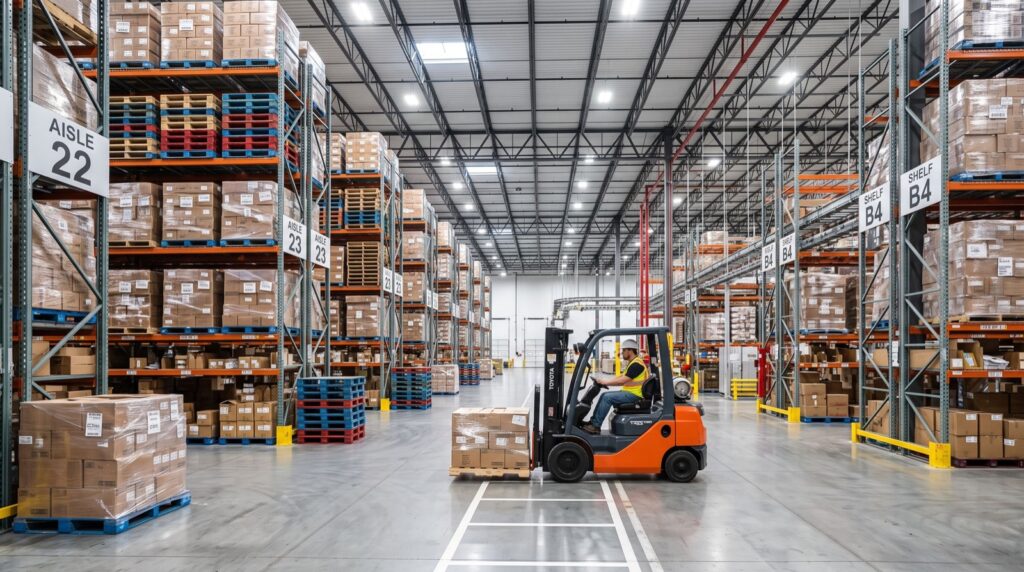
- Use vertical racking: stack pallets high to buy floor area back
- Zone by turnover: place fast-moving SKUs near the dispatch door
- Label clearly: barcode every location so pickers never guess
- Audit regularly: cycle-count to catch discrepancies early
- Protect sensitive goods: keep humidity-sensitive items off the floor
An original tip from hands-on warehouse work: measure your “touches” per order. Every time a worker handles an item, you pay in time and error risk. Redesign your slotting so popular products need the fewest touches, and your picking speed rises without hiring anyone.
Protecting Sensitive Products
Even at ambient temperatures, humidity and dust can damage certain goods. Sealed electronics, for instance, benefit from dry, ventilated storage. Providers who also offer Storage for Electronics & Smart Devices understand these nuances and add protective handling where it matters.
Ambient vs Temperature-Controlled: Which Do You Need?
Choosing the wrong storage type wastes money or spoils stock. The rule is simple: if a product stays stable at room temperature and is not sensitive to heat, ambient storage is the economical answer.
Ask yourself three questions about each product line:
- Does it degrade above 25°C or in high humidity?
- Does the label require a controlled temperature range?
- Is the item high value enough to justify extra protection?
If the answer to all three is no, ambient storage almost always wins on cost. Industry bodies such as the GS1 global standards organisation also stress that consistent labelling and location coding improve accuracy in any warehouse type, ambient or controlled.
Choosing the Right Storage Partner in 2026
Not every warehouse delivers the same service. Look for security, clear reporting, and a team that answers quickly when you need a rush shipment.
When shortlisting providers, prioritise those who show you live inventory data and let you scale space up or down each month. Working with trusted professionals who treat your stock as their own gives you peace of mind and fewer surprises.
Security and Insurance Considerations
Ambient goods may not spoil, but they can still be lost to theft, fire, or water damage. A serious storage partner treats security as seriously as any cold-chain operator treats temperature.
Confirm these safeguards before you commit:
- Access control: only authorised staff enter storage areas
- CCTV coverage: cameras record docks, aisles, and entry points
- Fire suppression: sprinklers and alarms meet civil-defence standards
- Goods-in-storage insurance: clear cover for your stock value
- Pest control: scheduled treatments protect food and textiles
Ask exactly who is liable if stock is damaged. A transparent provider explains their insurance and yours without hesitation, so there are no nasty surprises after an incident.
Integrating Storage with Your Systems
In 2026, the best ambient warehouses connect to your order platform. When a customer buys online, the pick request flows straight to the warehouse floor. That integration removes manual re-keying, cuts errors, and speeds dispatch. Ask potential partners whether they support API links or at least automated file exchange with your e-commerce or ERP system, because that connection often matters more than the raw price per pallet.
Frequently Asked Questions
What temperature is ambient storage kept at?
Ambient storage holds goods at a natural room temperature, usually between 15°C and 25°C. There is no active cooling or freezing, which makes it the most economical warehousing option for non-perishable products.
What products are suitable for ambient storage in Dammam?
Dry food, canned goods, packaging, textiles, hardware, and sealed electronics all store well at ambient temperature. Any item that stays stable indoors and is not heat- or moisture-sensitive is a good fit.
Is ambient storage cheaper than cold storage?
Yes. Because ambient facilities do not run refrigeration equipment, they consume far less energy. That saving is passed on, making ambient storage significantly cheaper per pallet than chilled or frozen space.
Can I scale my storage space up and down?
Most modern providers offer flexible, month-to-month plans. You can expand during peak seasons and reduce space in quieter months, so you only pay for what your inventory actually requires.
Conclusion
Ambient storage in Dammam combines low cost, prime logistics, and flexible space, making it a smart foundation for any inventory strategy in the Eastern Province. By organising your warehouse well and choosing a responsive partner, you cut waste and speed up fulfilment. Assess your product lines today and reserve the ambient space your business needs to grow through 2026 and beyond.